Arq. Bras. Oftalmol. 200568
| DOI: 10.1590/S0004-27492005000100003
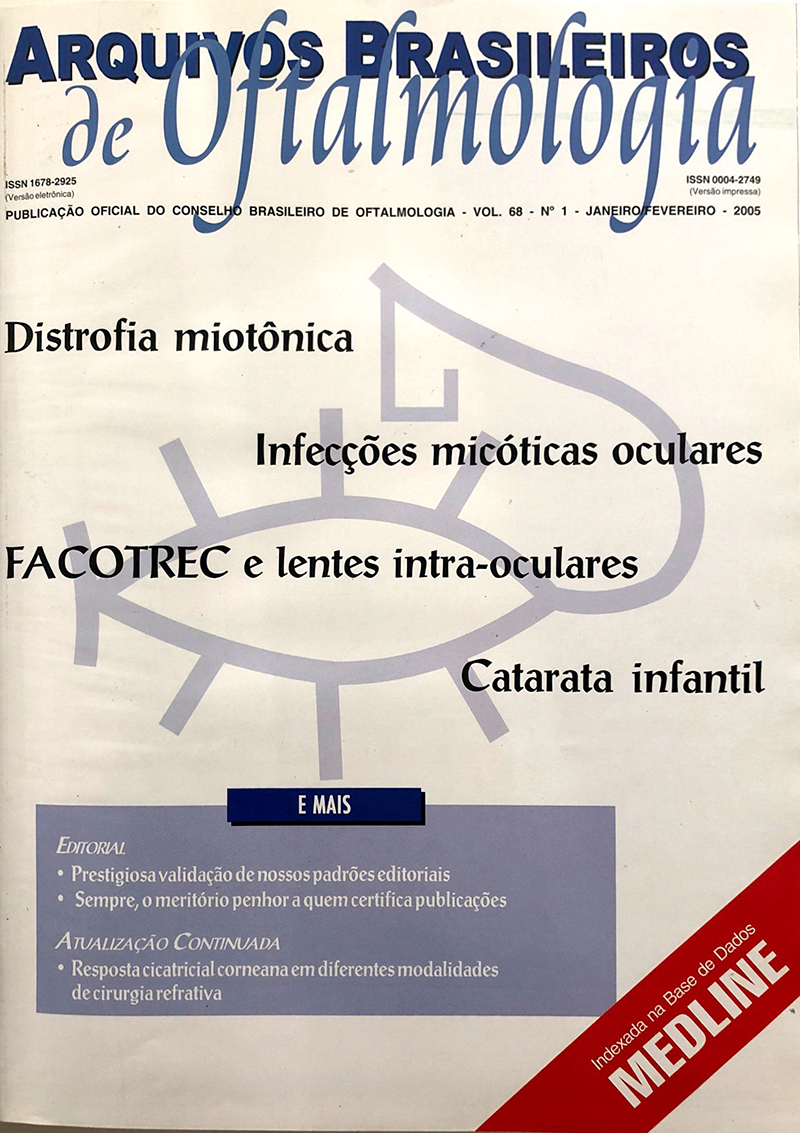
PURPOSE: To analyze the socioeconomic and gestational profiles, and the neuropsychomotor development of patients with infantile cataract cared for at a medical ophthalmologic center in Pernambuco state, Brazil.
METHODS: A standardized questionnaire was applied, in October and November 2003, to the parents of children who underwent child cataract surgery at the Altino Ventura Foundation.
RESULTS: Of the 40 patients, 23 were females (57.0%) and 17 males (43.0%). Most of the mothers (65.0%) and fathers (55.0%) of the children informed that they had not finished elementary school. The family income was between 1 and 3 minimum wages in 70.0% of the cases. As for the parental marital status, 40.0% of them were married. Thirty-nine mothers (97.5%) underwent prenatal exams, 37 reported that they had not received rubella immunization (92.5%), and 13 reported rubella during their pregnancy (32.5%). Three mothers reported consanguinity with their husbands and 5 were exposed to medications during pregnancy. Most of the patients had a neuropsychomotor development within limits considered normal by other studies. Fourteen patients (35.0%) were 6 years or older when the interview was performed. Eleven (78.6%) of these children attended school and 45.4% of them had to repeat the school grade.
CONCLUSION: It was observed in the studied sample that the patients were characterized by being part of a low-income population. Less than half of the interviewed parents were married and the patients presented low school performance. Insufficiencies in the health system as regards immunization against rubella was identified.
Keywords: Cataract; Cataract extraction; Social class; Socioeconomic factors; Pregnancy; Child development; Child
Arq. Bras. Oftalmol. 200568
| DOI: 10.1590/S0004-27492005000100004
PURPOSE: To detect MD1 premutation and full mutation carriers among cataract patients and offer familial genetic counseling.
METHODS: We studied the DNA of 60 selected cataract patients through polymerase chain reaction analysis. This study was performed at the "Hospital das Clínicas da Faculdade de Medicina de Ribeirão Preto" where selected patients had been examined at the Cataract Outpatient Clinic from 01/01/1982 to 30/06/1995. Selection criteria were age under 55 with no obvious precipitating factor, except diabetes mellitus type 2, with or without neuromuscular signs suggestive of myotonic dystrophy.
RESULTS: Three patients were found to have a full mutation corresponding to 5% of the group. Additional affected individuals were found among patients' relatives. No premutation was found. CONCLUSIONS: These results emphazise the importance of screening for MD1 gene carriers among cataract patients, and further genetic counselling.
Keywords: Cataract; Diagnosis; differential; Genetic counseling; Myotonic dystrophy
Arq. Bras. Oftalmol. 200568
| DOI: 10.1590/S0004-27492005000100005
PURPOSE: To analyze the frequency and the etiology of mycotic infectious eye diseases diagnosed by culture at the Ocular Diseases Laboratory of the Federal University of São Paulo (LOFT-UNIFESP), São Paulo, SP, Brazil, and the factors associated with fungal keratitis.
METHODS: We retrospectively analyzed the 14,391 laboratory requests regarding infectious eye diseases between 1975 and May 2003. For the fungal culture proven examinations we observed the morphologic type of the isolated fungus, the gender and age of the patient, the site of ocular involvement, the year of identification, and the factors associated with keratitis cases, according to the identified etiologic agent. Results were considered significant if p<0.05.
RESULTS: We verified 296 (2.05%) ocular mycosis cases with 265 keratitis (89.5%), 27 intraocular infections (9.1%), and 4 infections at other sites (1.3%). Filamentous fungi were isolated in 233 cases (78.7%) 74.7% being male (n=174) and 25.3% female (n=59). Yeasts were isolated in 63 cases (21.3%) 49.2% being male (n=31) and 50.8% female (n=32). Ages varied between 2 and 99 years in the filamentous fungi group and between 14 and 88 years in the yeast group. The most frequently found etiologic agents of the filamentous fungi isolations were Fusarium (n=137; 58.8%), Aspergillus (n=28; 12.0%), and Penicillium (n=12; 5.2%); and in yeasts, Candida (n=59; 93.7%). Regarding keratitis, 95.1% had at least one associated factor. Ocular trauma was significantly associated with filamentous fungi keratitis (p=0.0002); and previous surgeries (p=0.0002), ocular (p=0.0002) and systemic diseases (p=0.0002) with yeast keratitis. The use of topic antibiotics showed association with filamentous fungi keratitis, at a lower statistical significance (p=0.0224). CONCLUSIONS: Laboratory analysis showed predominance of filamentous fungi over the yeasts, and keratitis was the main observed ocular infection. Fungal keratitis involved at least one associated factor in most cases.
Keywords: Keratitis; Keratitis; Eye infections, fungal; Eye infections, fungal; Eye infections, fungal; Eye infections, fungal
Arq. Bras. Oftalmol. 200568
| DOI: 10.1590/S0004-27492005000100006
PURPOSE: To compare the postoperative results of phacotrabeculectomy with implantation of PMMA, foldable silicone or foldable hydrofobic acrylic intraocular lens (IOL). SETTING: Glaucoma unit, The Royal Liverpool University Hospital, Liverpool, United Kingdom.
METHODS: We studied a total of 124 eyes of three consecutive groups of patients with glaucoma and cataract that underwent phacotrabeculectomy with implantation of a PMMA (30 eyes), a foldable silicone (57 eyes) or a foldable acrylic (37 eyes) IOL. Postoperative Snellen visual acuity and intraocular pressure (IOP), and early and late complications were assessed. All data were analyzed by means of c² test, Fisher's exact test, ANOVA/MANOVA tests or a combination whenever appropriate.
RESULTS: In all three groups the early and late mean postoperative IOPs were significantly lower than the preoperative ones (p<0.001), with no intergroup differences (p=0.48). The number of eyes with early postoperative hypertension (IOP>25 mmHg) and hypotony (IOP<7 mmHg) was similar in the three groups (p=0.91 and p=0.92 respectively). All groups showed improvement in mean visual acuity (p<0.001), and the differences among the groups were not significant (p=0.79). By 9-12 months after surgery IOPs lower than 22 mmHg without glaucoma medication were found in 76.9% in the PMMA group, 76.6% in the silicone group and in 76.9% in the acrylic group. At the same interval, best visual acuity of 6/12 or better was attained in 80.8%, 83% and 80.8%, in the PMMA, silicone and acrylic groups respectively. The silicone group had significantly more postoperative fibrin reaction into the anterior chamber (p=0.01) and giant cell deposits on the IOL (p<0.0001) than the PMMA and the acrylic groups. The rate of Yag laser posterior capsulotomy was lower with the acrylic IOL (0%) than with the silicone (12.2%) or PMMA (13.3%) IOLs (p=0.08).
CONCLUSION: In patients with glaucoma and cataract, phacotrabeculectomy with PMMA, silicone or acrylic IOL was equally effective in lowering the IOP and improving visual acuity. However, incidence of fibrin reaction and lens deposits was higher in those eyes which received a silicone IOL. The PMMA and the acrylic groups did not differ with respect to postoperative complications, but those eyes with an acrylic IOL had a lower rate of posterior capsule opacification.
Keywords: Trabeculectomy; Phacoemulsification; Lenses, intraocular; Cataract extraction; Glaucoma
Arq. Bras. Oftalmol. 200568
| DOI: 10.1590/S0004-27492005000100007
PURPOSE: To observe the main ocular manifestations of patients with rosacea and to evaluate the cost-benefit of supplementary diagnostic examinations.
METHODS: Twenty patients with acne rosacea from the Dermatology Service of the São Paulo Federal University (UNIFESP) were interviewed through a questionnaire, submitted to ophthalmologic examination and tested with Schirmer I, fluorescein and rose Bengal staining, impression cytology and conjunctival scrub. The costs of these examinations were abstracted from the Public Health System's values (SUS), Brazilian Medical Association values (AMB) and values charged by a private service.
RESULTS: Twenty patients were enrollet initially in the study, but only 16 completed it. Eleven patients were female (55%), 19 were white (95%) and the average age was 56 years. All patients had at least one complaint related to rosacea. The most common symptoms were itching (40%), tearing (35%), foreign body sensation (30%). The most common signs were telangiectasis of lid margins (70%), hyperemia of lid margins (70%), meibomitis (65%) and blepharitis (50%). Most subsidiary examination showed normal results. There was difference of costs between the different paying sources. CONCLUSIONS: The main ocular manifestations in rosacea were related with meibomian gland disease. Considering the subsidiary examination costs and their results, the ophthalmologic check-up presents the best cost-benefit for the patient with rosacea.
Keywords: Acne rosacea; Vision tests; Cost-benefit analysis; Eyelid diseases; Meibomian glands
Arq. Bras. Oftalmol. 200568
| DOI: 10.1590/S0004-27492005000100008
PURPOSE: To compare pain sensation induced by phacoemulsification with topical anesthesia with that by peribulbar anesthesia, without sedation.
METHODS: Using a 10-level visual pain analogue scale, the pain induced by phacoemulsification with topical anesthesia (2% tetracaine drops) was measured in 20 patients. The same scale was used to measure the pain induced by peribulbar anesthesia (2% lidocaine and 0.5% bupivacaine) in 21 patients. The same surgeon performed peribulbar infiltrations and surgeries. The phacoemulsifications were done using clear corneal approach followed by in-the-bag intraocular lens implantation. Pain comparison between the two groups was performed by the non-parametrical U Mann-Whitney test.
RESULTS: The distribution of the pain scores of the patients who underwent cataract extraction with topical anesthesia ranged from 0 to 5 (median value = 2). The scores of the patients who underwent peribulbar infiltration ranged from 0 to 7 (median value = 3). The mean rank of the group of patients who had surgery with topical anesthesia (15.78) was significantly different from the mean rank of the patients who received peribulbar anesthesia (25.98) (p=0.0057).
CONCLUSION: Without sedation, the pain induced by phacoemulsification with topical anesthesia was milder than the pain induced by peribulbar infiltration.
Keywords: Cataract extraction; Phacoemulsification; Anesthesia, local; Pain, postoperative; Pain measurement; Anesthetics, local; Pain; Comparative study
Arq. Bras. Oftalmol. 200568
| DOI: 10.1590/S0004-27492005000100009
PURPOSE: To study the prevalence of glaucoma in employees of a public hospital in São Paulo and to analyze the role of frequency doubling perimetry along with non-contact tonometry and direct ophthalmoscopy, in the screening for glaucoma.
METHODS: 612 employees of the Central Hospital of the "Santa Casa de São Paulo" were evaluated from October 15 to 20, 2000; 438 were women and 174 men, with mean age of 45.05±7.7 years (range, 35 to 81 years); 437 were white, 104 mulatto, 43 black and 28 Asian. All examinations were done by 10 eye specialists with experience in glaucoma. All employees had both eyes examined, by means of frequency doubling perimetry (FDT), ophthalmoscopy (FO), and non-contact tonometry (TNC).
RESULTS: 159 (25.98%) subjects presented with at least one abnormal testing; 5 (3.14%) had high IOP (TNC+); 13 (8.17%) presented suspicious disk (FO+); 110 (69.18%) presented abnormal FDT (FDP+); 8 (5.03%) TNC+ and FO+; 10 (6.28%) had TNC+ and FDT+; 9 (5.66%) presented FO+ and FDT+; 4 (2.51%) had TNC+, FO+ and FDT+; 12 (1.96%) individuals were diagnosed with glaucoma, four of whom (0.65%), with normal pressure glaucoma. CONCLUSIONS: Frequency doubling perimetry was found to be an important step in the screening for glaucoma in the study. Of the 12 individuals that had the diagnosis of glaucoma, 5 (41.6%) would not have been diagnosed if they had not undergone frequency doubling perimetry.
Keywords: Glaucoma; Glaucoma; Perimetry; Tonometry, ocular; Ophthalmoscopy
Arq. Bras. Oftalmol. 200568
| DOI: 10.1590/S0004-27492005000100010
PURPOSE: To determine the average cost of cataract surgery using the phacoemulsification technique with intraocular lens implant (IOL). This study was conducted during a national campaign to treat patients with cataracts promoted by the Brazilian Council of Ophthalmology (CBO) and the Health Ministry in the city of Itápolis - SP from March to December, 2000.
METHODS: All expenses related to the surgery were collected (pre-, intra-, and postoperative data) and analyzed. Fifty-eight patients with senile cataracts and without any other ocular findings were submitted to the procedure in a prospective study.
RESULTS: The average cost of the surgery in this study was R$ 485.03 or US$ 248.05. This value represents the average cost of the surgery itself; in which some materials, equipment, taxes and other services were previously determined and used for this project.
CONCLUSION: The phacoemulsification technique for cataract surgery has been used more and more, due to its effectiveness, being an excellent method to treat cataracts. Although this is an excellent technique, the economical aspect does not allow it to be used for part of the population
Keywords: Phacoemulsification; Costs and cost analysis; Cataract extraction; Direct service costs; Health promotion
Arq. Bras. Oftalmol. 200568
| DOI: 10.1590/S0004-27492005000100011
PURPOSE: To evaluate, from the economic and technical point of view, the surgical treatment of strabismus.
METHODS: A retrospective survey of available consecutive medical charts from the Altino Ventura Foundation - Recife/PE, Brazil was performed. Data on 100 patients who underwent strabismus surgery (from January of 2001 to February of 2003) and 100 patients who underwent cataract surgery (January of 2003) were analyzed. The times to performed these surgical procedures were observed. The times to accomplish strabismus surgeries were compared to those of cataract surgeries. In addition the variability of time among different strabismus surgeries was also observed.
RESULTS: Surgical mean time for strabismus correction was longer than that for cataract surgery (77.3±27.6 min versus 58.3±12.7 min; p<0.0001). A significant variability in time to accomplish strabismus surgeries was also observed. In the case of intervention in up to two muscles, mean time was less than in the case of intervention in more than two muscles (66.0±16.6 min versus 97.5±31.7 min; p<0.0001).
CONCLUSION: Longer surgical time of strabismus surgeries as compared to cataract surgeries gives support to the idea that the medical remuneration for strabismus surgery should be, at least, equivalent to that of cataract surgery. In addition, the fact of surgical mean time being so variable, suggests that this procedure should have a different remuneration.
Keywords: Strabismus; Strabismus; Fees, medical; Cataract extraction; Comparative study
Arq. Bras. Oftalmol. 200568
| DOI: 10.1590/S0004-27492005000100012
PURPOSE: To access the reliability of corneal thickness measurements by Orbscan II and ultrasound pachymeter.
METHODS: A retrospective study of 134 eyes from 67 normal subjects between January and June 2001 was obtained. Sex, age, visual acuity, refractive error and corneal thickness measurements by Orbscan II and ultrasound pachymetry were evaluated. All results were analyzed by the paired t test (p<0.05).
RESULTS: Sixty-seven subjects, 34 (50.7%) female and 33 (49.3%) male, with a mean age of 32.44±9.98 were evaluated. The mean of spherical equivalent was -2.68±2.62. The mean corneal thickness was 534.81±34.45 with the Orbscan II system and 535.00±29.53 with the ultrasound pachymeter, values that were not significantly different (p=0.8922). The correlation coefficient between both instruments was 0.8774, and it is effective. CONCLUSIONS: Both methods are similar showing good correlation. In this study, the Orbscan II showed reliability, and this tool is extremely useful to evaluate subjects regarding refractive surgery.
Keywords: Vision tests; Cornea; Measurement equipment; Corneal topography; Technology realibility; Refractive errors; Comparative study
Arq. Bras. Oftalmol. 200568
| DOI: 10.1590/S0004-27492005000100013
PURPOSE: To perform an epidemiologic study in students in Natal/Brazil, with relation to refractional anisometropia, evaluating criteria such as: gender, age, and association with strabismus and amblyopia.
METHODS: A study of 1,024 students randomly selected from several districts of Natal/Brazil was undertaken by the Department of Ophthalmology of the Federal University of Rio Grande do Norte (UFRN), observing the following criteria of > 2 spherical or cylindrical diopter refractional anisometropia relating it to sex, age, association with strabismus, amblyopia and anisometropia classification.
RESULTS: We found a prevalence of 2% (N=21) anisometropia in the students. The female gender predominated with 81% (N=17). In students with anisometropia, we observed an association with strabismus in 9.5% of cases (N=2), both with exotropia. The association of anisometropia with amblyopia occurred in 47.6% of the cases (N=10), with 8 cases of unilateral amblyopia and 2 cases of bilateral amblyopia. CONCLUSIONS: There was a predominance of anisometropia in females, and an increased prevalence of strabismus and amblyopia in students with anisometropia.
Keywords: Anisometropia; Amblyopia; Students; Refractive errors; Strabismus
Arq. Bras. Oftalmol. 200568
| DOI: 10.1590/S0004-27492005000100014
PURPOSE: To evaluate the daily cost of antiglaucoma eyedrops and the economic impact related to the minimal wage; to compare the cost of drug association in the single presentation in relation to separate presentations; to analyze the additional percent antiglaucoma drug cost related to standard therapy (generic timolol maleate).
METHODS: Fifteen eyedrop bottles of each one of the twenty antiglaucoma products were used. The number and mean eyedrop size per bottle of drug were measured and the duration and treatment costs calculated.
RESULTS: A large variation in the mean daily cost, respectively: R$ 0.077 for generic timolol maleate (cheapest) and R$ 1.910 for Xalacom® (most expensive), was observed. It should be noted that the product of minimal economic impact, as related to the minimal wage, was the standard eyedrop therapy with 1.2% to 1.6%, while the association of Xalatan® with Timoptol XE® showed a variation of 21.7% to 30.0%. The cost of Cosopt® and Xalacom® was greater than the associations of, respectively: Trusopt® + standard eyedrop and Xalatan® + standard eyedrop (p<0.001). Xalacom® represented an additional cost to standard therapy of 1.698.2% to 1.765.1%. CONCLUSIONS: The variation of antiglaucoma eyedrop cost was almost 30 times between the cheapest and the most expensive, which represented an economic monthly impact of 29.1% on the value of the minimal wage. The combined therapy in the separate presentations presented a lower cost than drug association in a single presentation. The use of antiglaucoma drugs represents a high percent additional cost related to standard therapy.
Keywords: Drug costs; Ophthalmic solutions; Glaucoma; Expenditures, drugs
Arq. Bras. Oftalmol. 200568
| DOI: 10.1590/S0004-27492005000100015
PURPOSE: To evaluate eyelid measures before and after upper blepharoplasty surgery using a digital image system.
METHODS: Eighteen eyelids of 9 patients with dermatochalasis were evaluated at the Hospital das Clínicas de Botucatu - UNESP regarding eyelid measures before and after upper blepharoplasty. All patients were female, aged between 40 and 75 years. The images were acquired by a photographic camera, transferred to a computer and then analyzed by the Scion Image Frame Grabber program. The evaluated parameters were upper eyelid position in primary gaze position, upper palpebral sulcus and lateral eyelid angle. The measures were obtained before and after 60 days of upper dermatochalasis surgery.
RESULTS: After the surgery, there was an increase of upper eyelid position and upper palpebral sulcus; the lateral palpebral angle did not show any alteration.
CONCLUSION: Eyelid position changes after blepharoplasty and digital image processing provides quantitative measures of the eyelid, allowing a better quantification of the surgical results.
Keywords: Blepharoplasty; Eyelids; Measures; Image processing, computer-assisted; Female
Arq. Bras. Oftalmol. 200568
| DOI: 10.1590/S0004-27492005000100016
PURPOSE: To evaluate dacrycystographic examination in patients with suspicion of lacrimal apparatus obstruction.
METHODS: A retrospective study was performed to evaluate dacryocystographies of 100 adults suspected of nasolacrimal duct obstruction at the "Faculdade de Medicina de Botucatu - UNESP". The data were submitted to descriptive statistical analysis and chi-square test.
RESULTS: The patients were mainly female, over 60 years old, presenting a low obstruction located at Arlt's sinus, with a grade 2 or 3 lacrimal sac. Lacrimal pathways with normal tear drainage, with or without dilatation and nasal alterations such as concha hypertrophy were also observed.
CONCLUSION: Dacryocystographic evaluation was important to show the level of obstruction, the presence of dilatation of the lacrimal sac, as well as alterations in nearby structure. This information might influence the adopted surgical technique and the final treatment results.
Keywords: Lacrimal duct obstruction; Diagnostic techniques, ophthalmological; Retrospective studies; Adult
Arq. Bras. Oftalmol. 200568
| DOI: 10.1590/S0004-27492005000100017
PURPOSE: To evaluate the fitting and use of contact lens in patients submitted to refractive surgery.
METHODS: This was a retrospective study in 53 patients submitted to refractive surgery who later started to use contact lens, from 1999 to 2003. The parameters were: previous ametropia, refractive surgery procedure, ametropia after surgery, postoperative spherical equivalent, postoperative keratometry, base curve of fitted contact lens, contact lens design, final visual acuity with spectacles after surgery, final visual acuity with contact lens, complications and the reason for stopping the use. The follow-up of patients ranged from 1 month to 84 months (average of 42,5 months).
RESULTS: Of 53 evaluated patients, 19 patients had undergone LASIK (Laser Assisted in Situ Keratomileusis), 29 patients had undergone RK (radial keratotomy), 4 patients had undergone PRK (photorefractive keratectomy) and in one patient it was not possible to know which surgery was performed. 61.29% of the patients (57 eyes of a total of 93 eyes) were fitted with rigid gas-permeable lenses. There was an improvement of visual acuity in 60.21% of the cases (VA>20/40), with few complications.
CONCLUSION: Due to the great number of performed refractive surgery, an increase in the number of patients unhappy with the postoperative result is expected, and for these patients, many times the use of contact lens is the best option. The fitting of contact lenses after refractive surgery demands knowledge, dedication and has good results principally regarding better visual acuity.
Keywords: Contact lenses; Refractive errors; Visual acuity; Retrospective studies
Arq. Bras. Oftalmol. 200568
| DOI: 10.1590/S0004-27492005000100018
PURPOSE: To evaluate the use of conjunctival autograft transplantation in the treatment of primary pterygium.
METHODS: Prospective study of 230 patients (230 eyes), with primary pterygium, who underwent conjunctival autograft as a treatment option for recurrent pterygium. The minimal follow-up was 12 months.
RESULTS: We observed a recurrency rate of 2.17%, 0.43% had loss of graft.
CONCLUSION: Conjunctival transplant is a procedure that rarely brings any complication. However, the literature on the results leads to new clinical and randomized, studies, in order to evaluate the responses of the conjunctival autograft transplant as related to the other surgical techniques for pterygium.
Keywords: Pterygium; Transplantation, autologous; Conjunctiva
Arq. Bras. Oftalmol. 200568
| DOI: 10.1590/S0004-27492005000100019
PURPOSE: To evaluate the main indications for tarsorrhaphy in a Corneal Service, as well as success rate and possible complications.
METHODS: All patients who underwent tarsorrhaphy from January 1st, 2002 to December 30th, 2002, in São Geraldo Eye Hospital - Federal University of Minas Gerais were evaluated retrospectively. Reviewed data included patient's sex and age, indication for tarsorrhaphy, duration of signs and symptoms before tarsorrhaphy, time for epithelial healing after tarsorrhaphy, type of tarsorrhaphy, complications, follow-up time.
RESULTS: Eighteen patients underwent tarsorrhaphy. The indications for a tarsorrhaphy were exposure keratopathy (27.8%), persistent epithelial defect associated with penetrating keratoplasty (38.8%), neurotrophic ulcer (11.1%), dry eye syndrome (5.6%), Stevens-Johnson syndrome (11.1%), and chemical burn (5.6%). The epithelial defect resolved completely in 15 patients (83.3%). Mean duration of signs and symptoms before tarsorrhaphy was 98.7±48.6 days, and time to heal after tarsorrhaphy was 53.2±22.8 days. Of the 18 procedures, two (11.1%) were temporary and 16 (88.9%) permanent. Complications after tarsorrhaphy were premature opening of the tarsorrhaphy, trichiasis and pyogenic granuloma.
CONCLUSION: Tarsorrhaphy is a simple procedure, being also very safe and effective in the management of nonhealing epithelial defects, with a success rate of 83.3% and with minor complications.
Keywords: Eyelids; Ophthalmologic surgical procedures; Corneal ulcer; Keratoplasty, penetrating; Epithelium, Corneal; Delivery of health care
Arq. Bras. Oftalmol. 200568
| DOI: 10.1590/S0004-27492005000100020
PURPOSE: Since one of the most implicated factors in corneal endothelial cell loss after phacoemulsification is the ultrasound time, and that the "quick chop" technique utilizes less ultrasound time, the objective of this study was to compare and analyze the reduction of the central corneal endothelial cell density between the patients submitted to the "divide and conquer" and "quick chop" techniques.
METHODS: Fifty-six patients with grade 3 senile cataract were prospectively selected and submitted to endocapsular phacoemulsification by the "divide and conquer" (28 patients, group 1) and "quick chop" (28 patients, group 2) techniques. The non-contact corneal central specular microscopy performed pre- and postoperatively at one month, 3 months and 6 months, and the ultrasound time used for each surgery, were verified.
RESULTS: We observed that the "divide and conquer" technique spent an average of 2.0 minutes of ultrasound time and the "quick chop", 1.1 minute; that the reduction of the central corneal endothelial cell density was significant for both techniques in the first postoperative month (16.5% in group 1 and 19.4% in group 2) and that the variations in central corneal endothelial cell density that followed, at the 3rd and 6th month were not significant. There was no statistically significant difference between the variation of the central corneal endothelial cell density that occurred with both techniques (Student's "t" test p=0.334; in the 1st postoperative month). CONCLUSIONS: We concluded that the reduction of central corneal endothelial cell density was not statistically different between the two techniques.
Keywords: Cataract extraction; Phacoemulsification; Cell count; Endothelium, Corneal; Comparative study
Arq. Bras. Oftalmol. 200568
| DOI: 10.1590/S0004-27492005000100021
PURPOSE: To evaluate the outcomes of phacoemulsification with binocular implantation of SA-40N multifocal intraocular lens at the "Hospital de Olhos de Minas Gerais".
METHODS: The charts of 58 patients (116 eyes) who were submitted to phacoemulsification with binocular implantation of SA-40N multifocal intraocular lens were retrospectively analyzed.
RESULTS: The mean preoperative spherical equivalent was +1.55D (ranging from -4.25 to +6.25D) and after surgery it was -0.59D (ranging from -2.25 to +1.25D). Thirty days after surgery, 94 eyes (81%) achieved 20/20 for better distance corrected visual acuity. For best uncorrected binocular near vision, 29 (50%) patients were able to read J1 and 25 (43.1%), J2.When we compare the best corrected distance vision, before and after surgery, we observed that 68 (58.6%) eyes keep the same best corrected visual acuity, 33 (28.4%) eyes gained lines of visual acuity and 15 (12.9%) lost lines of vision. Regarding complications, 19 (32.7%) reported halos, three (2.6%) eyes had macular edema and five (4.3%) eyes had posterior capsular opacification. Thirty-six patients (62.1%) did not need to use spectacles.
CONCLUSION: The results of this study indicate that multifocal intraocular lens bring about less dependence on spectacle wear and high patient satisfaction despite some reports of halos.
Keywords: Lenses, intraocular; Ocular, refraction; Cataract; Lens implantation, intraocular; Phacoemulsification
Arq. Bras. Oftalmol. 200568
| DOI: 10.1590/S0004-27492005000100022
To describe a possible case of unilateral keratoconus in a patient with continual eye rubbing due to an ipsilateral nasolacrimal obstruction in a 17-year-old woman complaint of progressing low visual acuity in the left eye. Presented with constant epiphora in the left eye throughout her life as a result of ipsilateral nasolacrimal obstruction, which required frequent wiping of this eye. Based on ocular examination, the patient was diagnosed as having unilateral keratoconus in the left eye. As in other studies, keratoconus is thought to be associated with persistent eye rubbing. This patient represents a case of unilateral keratoconus, where there is a confirmed history of habitual eye rubbing due to ipsilateral nasolacrimal obstruction, thereby suggesting a possible causal relationship between eye rubbing and keratoconus.
Keywords: Keratoconus; Eye; Lacrimal apparatus diseases; Case reports
Arq. Bras. Oftalmol. 200568
| DOI: 10.1590/S0004-27492005000100023
The authors report the case of a 16-year-old male patient who presented with blurred vision and bilateral optic disc edema, then developing bilateral central retinal vein occlusion. On laboratory work-up, he was found to have multiple myeloma IgA along with hyperviscosity syndrome, which led to the ophthalmological features. After proper treatment, the patient recovered visual acuity and normalized his eye fundus changes. Bilateral central retinal vein occlusion finding may yield the diagnosis of major systemic diseases. Fundoscopic features may serve as parameters on treatment evaluation.
Keywords: Retinal vein occlusion; Retinal vein; Blood viscosity; Multiple myeloma; Case reports
Arq. Bras. Oftalmol. 200568
| DOI: 10.1590/S0004-27492005000100024
In this article the authors report two cases of Charles Bonnet syndrome, defined as complex visual hallucinations in patients with low vision, and the patient is aware of the unreal nature of the phenomenon. A great number of cases is misdiagnosed due to lack of direct questioning by the physician. Since the emotional distress caused by this disease, the knowledge of its symptoms is essential in the management of these patients.
Keywords: Eye diseases; Hallucinations; Mental disorders; Dementia; Vision, low; Case report
Arq. Bras. Oftalmol. 200568
| DOI: 10.1590/S0004-27492005000100025
Presence of fungus in the conjunctiva is a constant threat to the eyes, because these microorganisms, defined as opportunistic, may provoke severe ocular infections, in situations as low organic resistance, use of immunosuppressants, antibiotics and epithelial alteration. Our goal here is to report a case of ocular aspergillosis in an immunosupressed patient where paroxysmal nocturnal hemoglobinuria was diagnosed. A 51-year-old immunosupressed, thrombocytopenic patient was hospitalized with a diagnosis of paroxysmal nocturnal hemoglobinuria. On examination, she had a visual acuity of 20/40 in the right eye (RE) and light perception in the left (LE). She presented hyposphagma, bilateral conjunctival edema on biomicroscopy and had some multiple and circumscribed conjunctival abscesses in both eyes; clear cornea in both eyes. Fundoscopy of the RE did show any particularity, in the LE there was a smear hemorrhage. Computed tomograph showed a fat periocular infiltration. Magnetic resonance lead to the same finding, compatible with orbital cellulitis. Hemoculture showed Aspergillus growth and direct smears of conjunctival material was negative. There was great improvement while treating her with amphotericin B, but there was complete remission after using 5% natamicyn eye drops. Orbital infections caused by Aspergillus are uncommon, usually appearing in immunosuppressed patients. Frequently they progress insidiously, and can be confounded with other orbital processes. Immunological impairment can inhibit the expression of local and systemic symptoms, resulting in diagnostic confusion. The diagnosis is established by laboratory tests, but culture can be negative in spite of the classical presentation, making the beginning of treatment difficult. In these cases management starts according to the symptoms.
Keywords: Aspergillosis; Eye infections, fungal; Eye infections; Opportunistic infections; Case report; Adult; Female
Arq. Bras. Oftalmol. 200568
| DOI: 10.1590/S0004-27492005000100026
Trichoepithelioma is a benign skin tumor and is most commonly found on the face, however, there are few reports about its occurrence on the eyelids. It is not usually recognized because of its rarity, origin, biological potential, and controversial classification. The purpose of this paper is to report two cases of solitary trichoepithelioma on the eyelid, their histopathology and treatment. This lesion should be considered when a single solid nodule on the face appears, and can be differentiated from basal-cell carcinoma. Histopathologic confirmation is essential.
Keywords: Carcinoma, basal cell; Carcinoma basocelular; Folículo piloso; Neoplasias palpebrais; Carcinoma adenóide cístico; Relato de caso
Arq. Bras. Oftalmol. 200568
| DOI: 10.1590/S0004-27492005000100027
The corneal wound healing response following refractive procedures represents a subject of high relevance, due to its direct influence on the postoperative results. Technical modifications of current refractive procedures, like the automated flap creation with the femtosecond laser, LASEK, PRK with mitomycin C and Epi-LASIK have been proposed as alternatives to traditional LASIK and PRK. Several theoretical advantages have encouraged the diffusion of these new techniques; however, a better understanding of the corneal wound healing response following these procedures is required. The present text proposes a review of the corneal wound healing characteristics following different modalities of refractive surgical procedures.
Keywords: Córnea; Wound healing; Keratomileusis, laser in situ; Epithelium corneal; Refractive errors


 ABO is licensed under a Creative Commons Attribution-NonComercial 4.0 Internacional.